

MASTER DATA & TELEMATICS
Onboard wagons in minutes. Track every move.
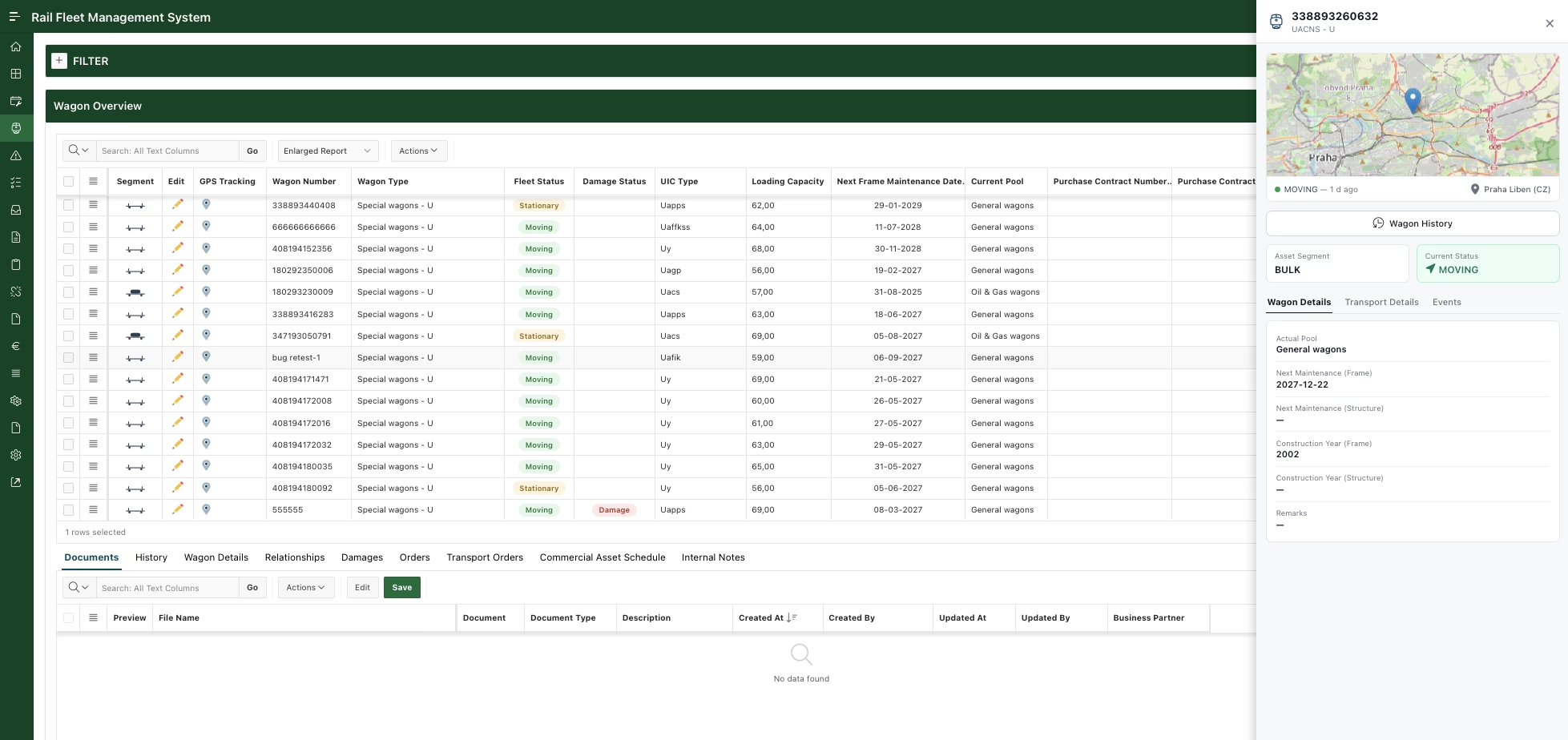
Wagon master data imported from RSRD² in one step — UIC codes, technical parameters, capacity, regulatory status, all synced. Ownership tracked across own, leased, and customer-related wagons. Sub-fleets and pools organised the way your operation works, with live position, mileage, and condition from telematics.
KEY FEATURES
One record per wagon. Live from day one.
From the UIC code in RSRD² to the GPS ping from the telematics box, every fact about every wagon lands on the same record, so fleet, operations, and finance stop maintaining three different versions of the same truth.
MASTER DATA
Wagons onboarded from RSRD², not Excel.
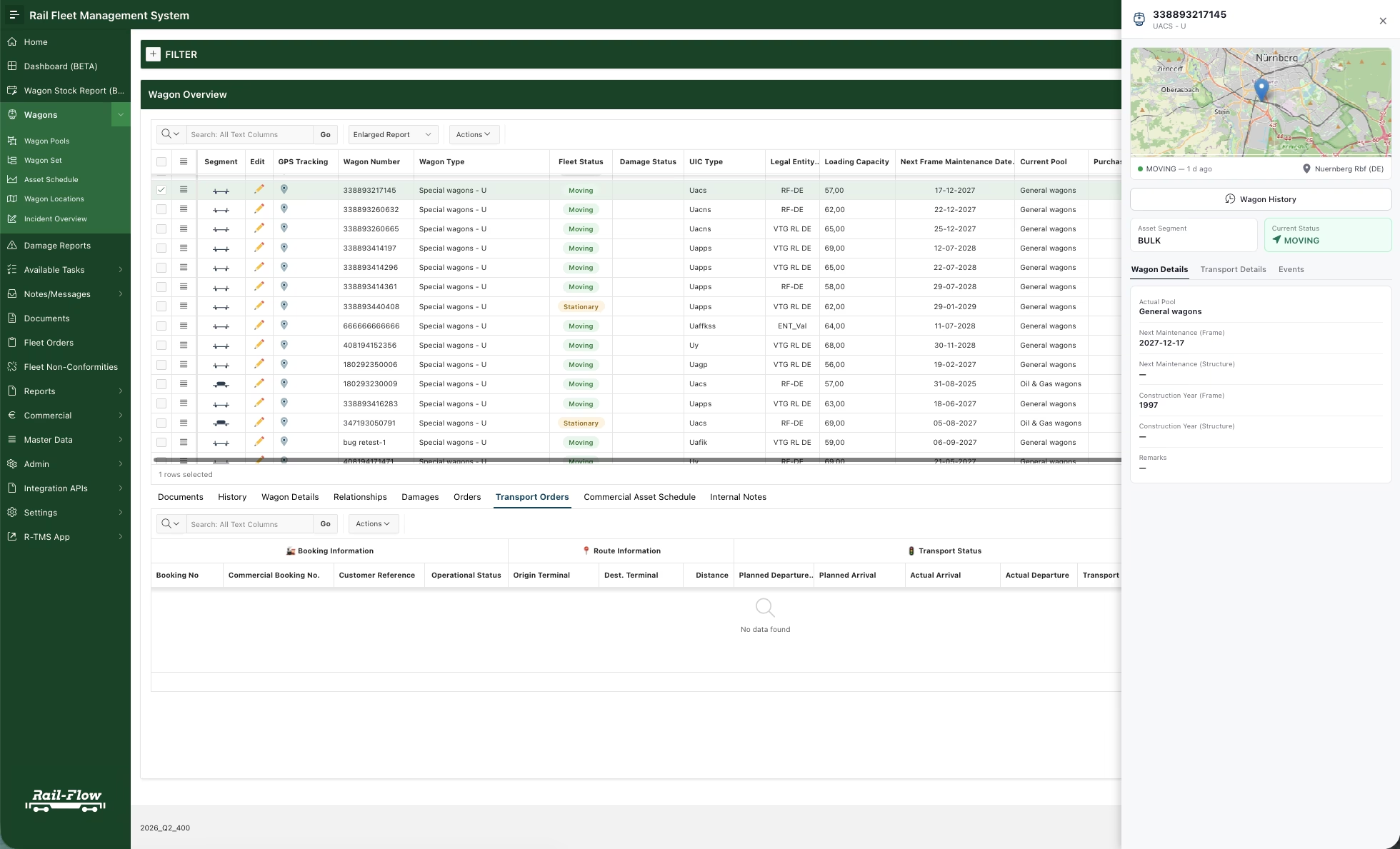
Enter the UIC code. The wagon arrives: technical parameters, capacity, gauge, brake type, RID category, regulatory status, all synced from RSRD² in one step. No spreadsheets, no PDF data sheets, no re-typing the same record across three systems.
Changes in the registry flow through to the wagon record automatically. Fleet, operations, and finance all work from the same source of truth, kept current by the registry, not by your team.

STRUCTURE
Your fleet, structured the way you run it.
Own wagons, leased wagons, and customer-related wagons all live on the same platform, each with the ownership model, cost basis, and contractual terms that actually apply. Mixed fleets stop being three spreadsheets.
Sub-fleets and pools follow the way the operation is organised: by commodity, by customer, by region, by maintenance cycle. Filters, KPIs, and availability roll up the same way.
Three ownership models
Own, leased, and customer-related wagon, each with the cost basis, contract reference, and reporting hierarchy that fits.
Sub-fleets & pools
Group wagons by commodity, customer, region, or maintenance cycle. Filters, availability, and KPIs roll up the way the operation is run.
Complete wagon sets
Block trains and dedicated sets kept together as one unit: availability, mileage, and maintenance status managed at the set level.
TELEMATICS
Live wagon data, on the same record.
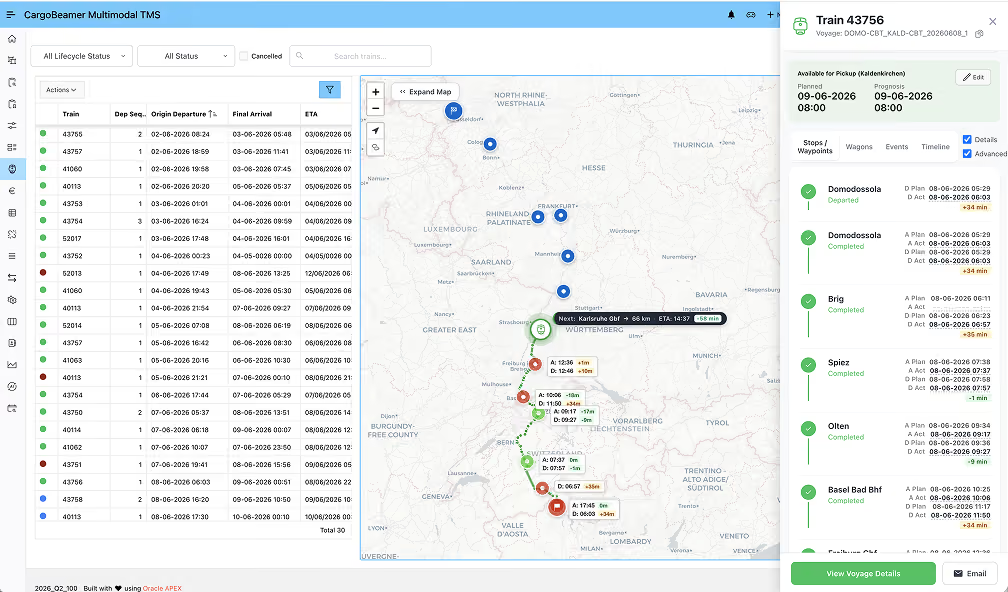
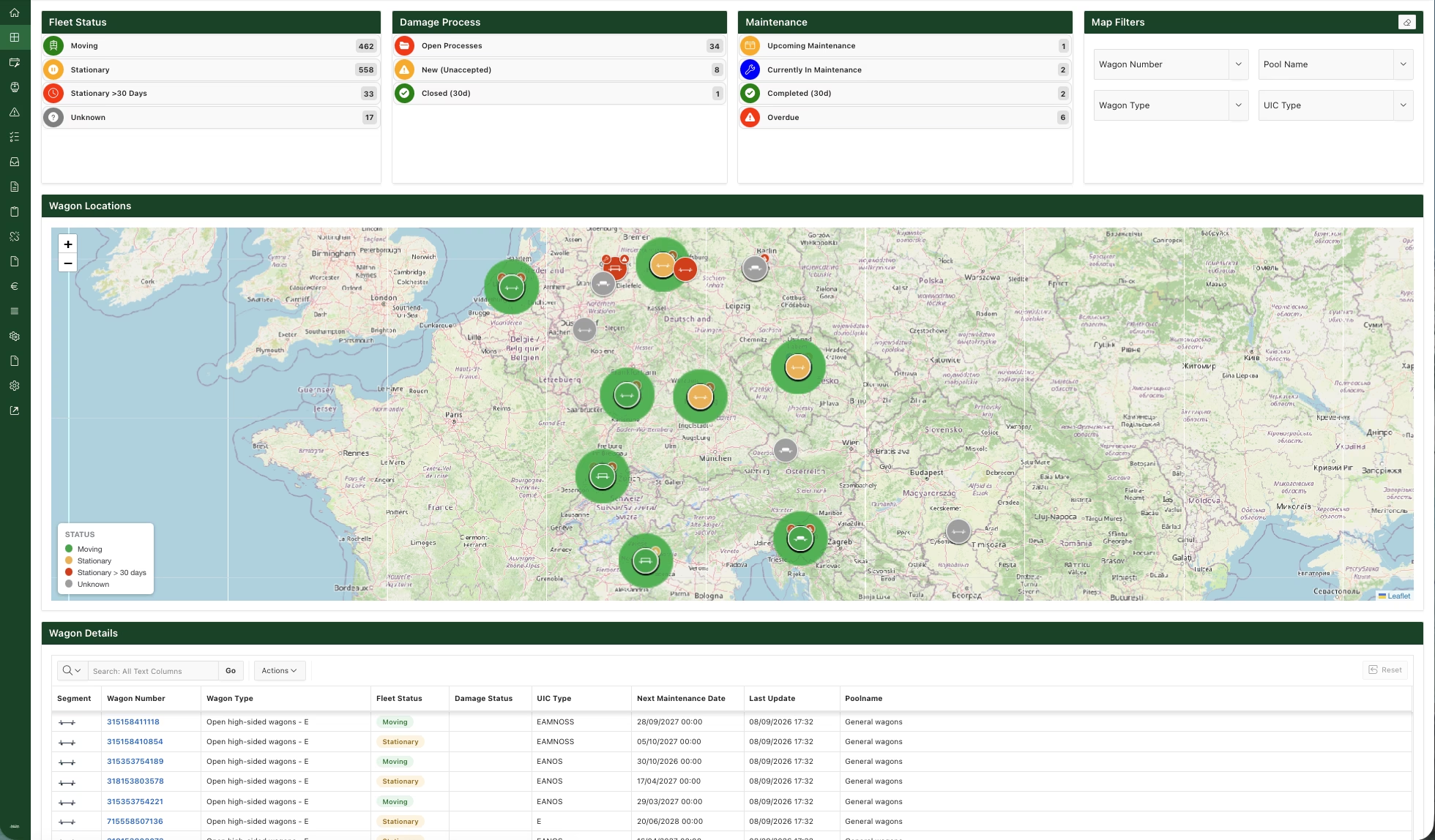
Position, mileage, and condition stream straight onto the wagon record, so the same screen that holds the master data also holds the live data. Dispatchers see where the wagon is; maintenance sees how far it has run; finance sees what it has done.
GNSS / GPS integration is in production today. Additional telematics data like temperature, load/unloading sensors or maintenance sensors are added on customer request.

SEE IT LIVE
Bring 10 UIC codes. We’ll onboard them live.
A 30-minute walkthrough on your real wagon list, own, leased, customer-related, with a Rail-Flow fleet specialist.
Frequently asked questions.
Five questions every head of fleet and asset manager asks before onboarding their first wagon. Anything missing? Just ask during your demo.
Have a question that's not covered here? Reach out and we'll get back to you within one business day.
From a single wagon to a multi-thousand-wagon fleet. The onboarding model is the same: enter UIC codes, master data lands from RSRD², sub-fleets and pools configured to the operation. Bulk import of UIC lists is standard. Larger fleets typically onboard in waves by sub-fleet or commodity rather than all at once.
RSRD² is the Rolling Stock Reference Database, the European wagon master data registry. Wagons not in it (non-EU, in conversion, customer-supplied) are filled manually using the same record structure. No parallel system, no separate spreadsheet, they sit next to the registry-imported ones.
Connection to multiple wagon lessors (VTG, GATX, Wascosa, ERR, Ermewa) are in production today. Other providers are added on customer request as standard onboarding scope, the integration work runs as part of the project, not as a separate engagement. If you tell us which provider your fleet is on, we will confirm the timeline before you commit.
All three ownership models (own, leased, customer-related) share the same record structure, each with its own cost basis, contract reference, and reporting hierarchy. Lease cost flows into the wagon P&L. Customer-related wagons can be filtered in or out of internal availability views. Mixed fleets remain one fleet.
Master Data & Telematics is the foundation layer. The same record feeds Damage Management (wagon being repaired), Maintenance Management (mileage-driven schedule), and the TMS (availability for planning). One wagon, one record, every workflow on top. Start standalone or as part of the full Fleet Management product.
MORE FROM FLEET MANAGEMENT
Explore related features.
Discover the other Fleet Management capabilities that run on the master-data and telematics layer and the way the wagon record feeds the rest of the Rail-Flow platform.
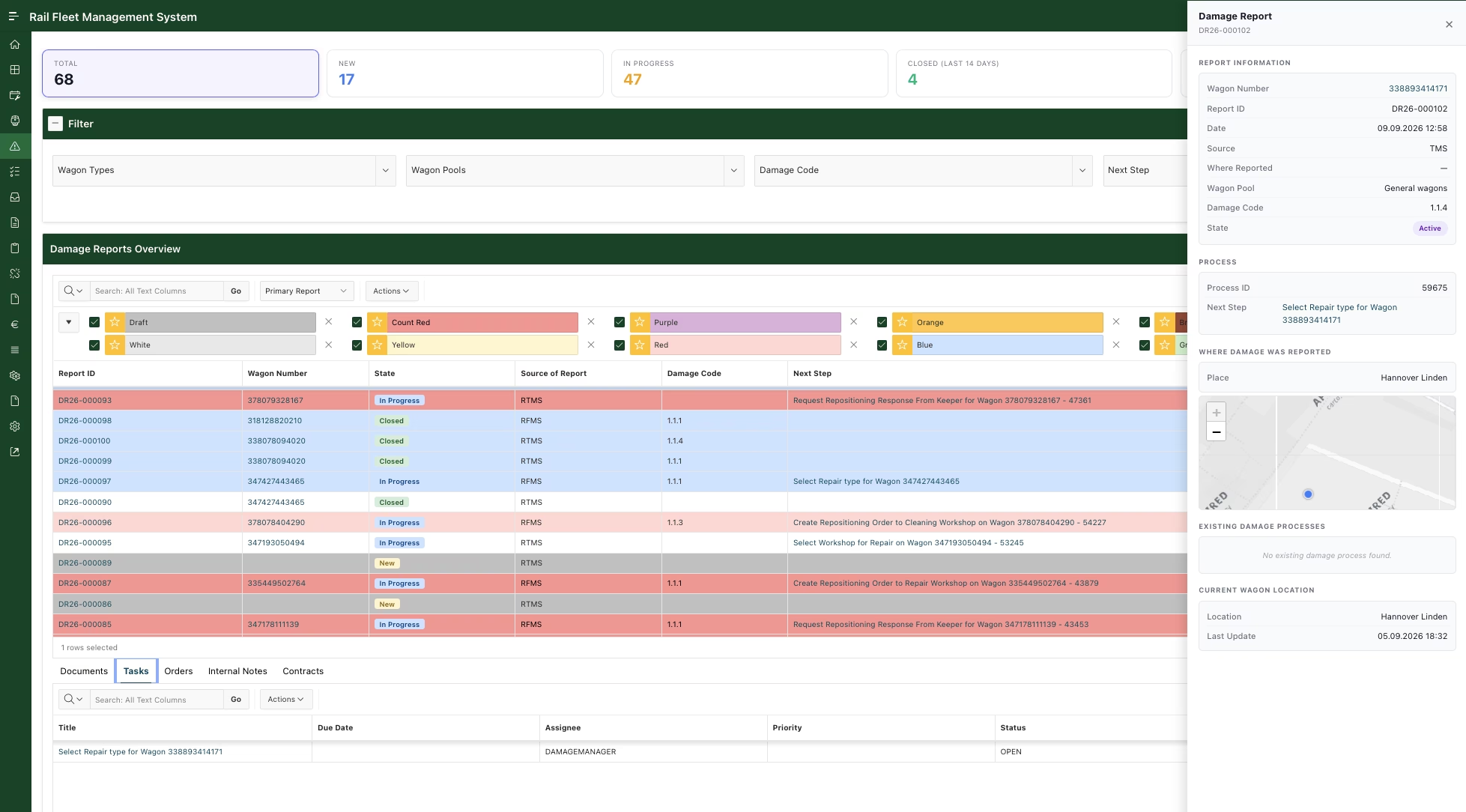
Damage Management
Capture damages digitally with GCU / AVV-standard codes, route estimates to contract workshops, approve per line item. Hours, not days, all on the same wagon record.
Maintenance Management
Preventive maintenance driven by telematics mileage and time limits. Workshop coordination, ECM-ready audit trail, regulatory status tracked throughout.
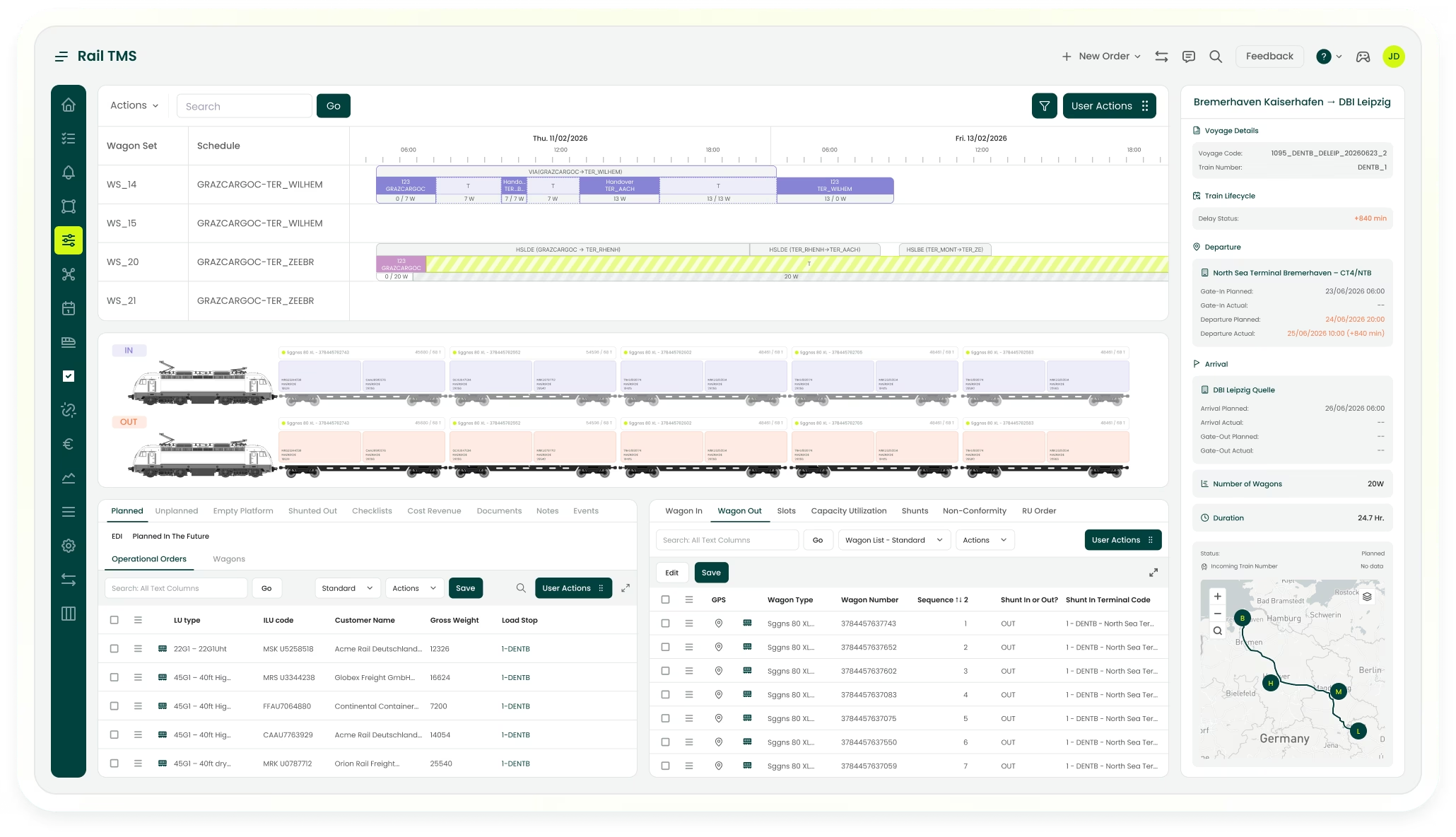
Transport Management (TMS)
The operating layer for rail and intermodal logistics. Live wagon availability from the fleet record feeds dispatch, planning, and the customer view, every wagon visible end to end.