

AUTOMATISIERTE AUFTRAGSABWICKLUNG
Vom Auftrag bis zum Versand – vollautomatisch.
Buchungen gehen über Schnittstellen, Portale oder Excel-Uploads ein und werden ohne manuellen Aufwand zu validierten, versandfertigen Aufträgen. Ausrüstung, Gefahrgutvorschriften und Datenvollständigkeit werden bei jeder Bestellung geprüft. Komplexe Buchungen werden automatisch auf die passenden Teilstrecken für die jeweiligen Frachtführer aufgeteilt – ob Schiene, Lkw, Binnenschiff oder Short-Sea.
FUNKTIONSWEISE
Drei Funktionen für eine vollautomatische Auftragsabwicklung.
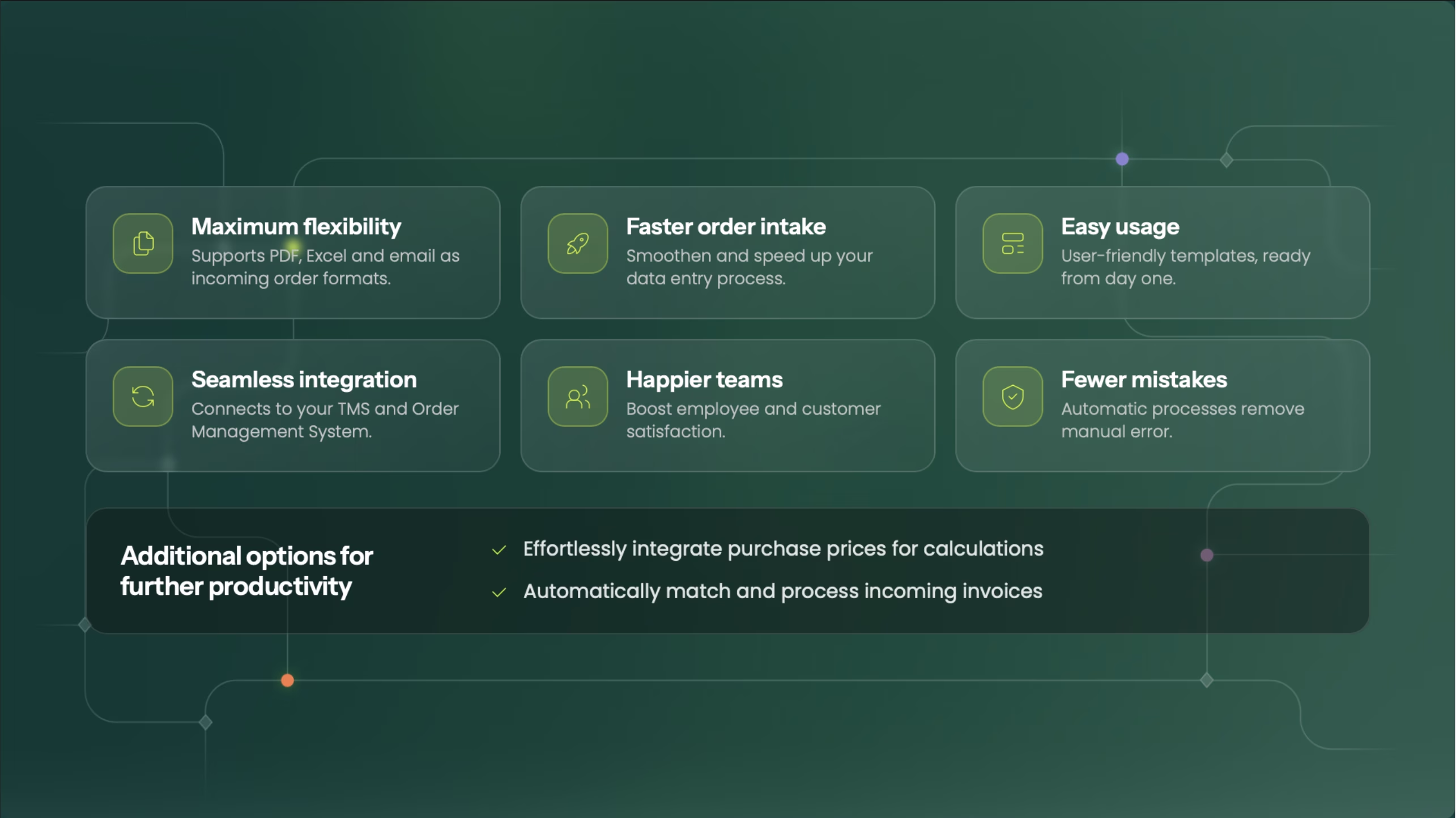
Multi-Channel-Eingang, integrierte Validierung und automatische Auftragsaufschlüsselung. Das sind die Hauptgründe, warum TMS-Kunden ihren manuellen Aufwand um bis zu 90 % reduzieren.
Eine Plattform. Jeder Kanal. Kein Copy-Paste.
Multi-Channel-Eingang
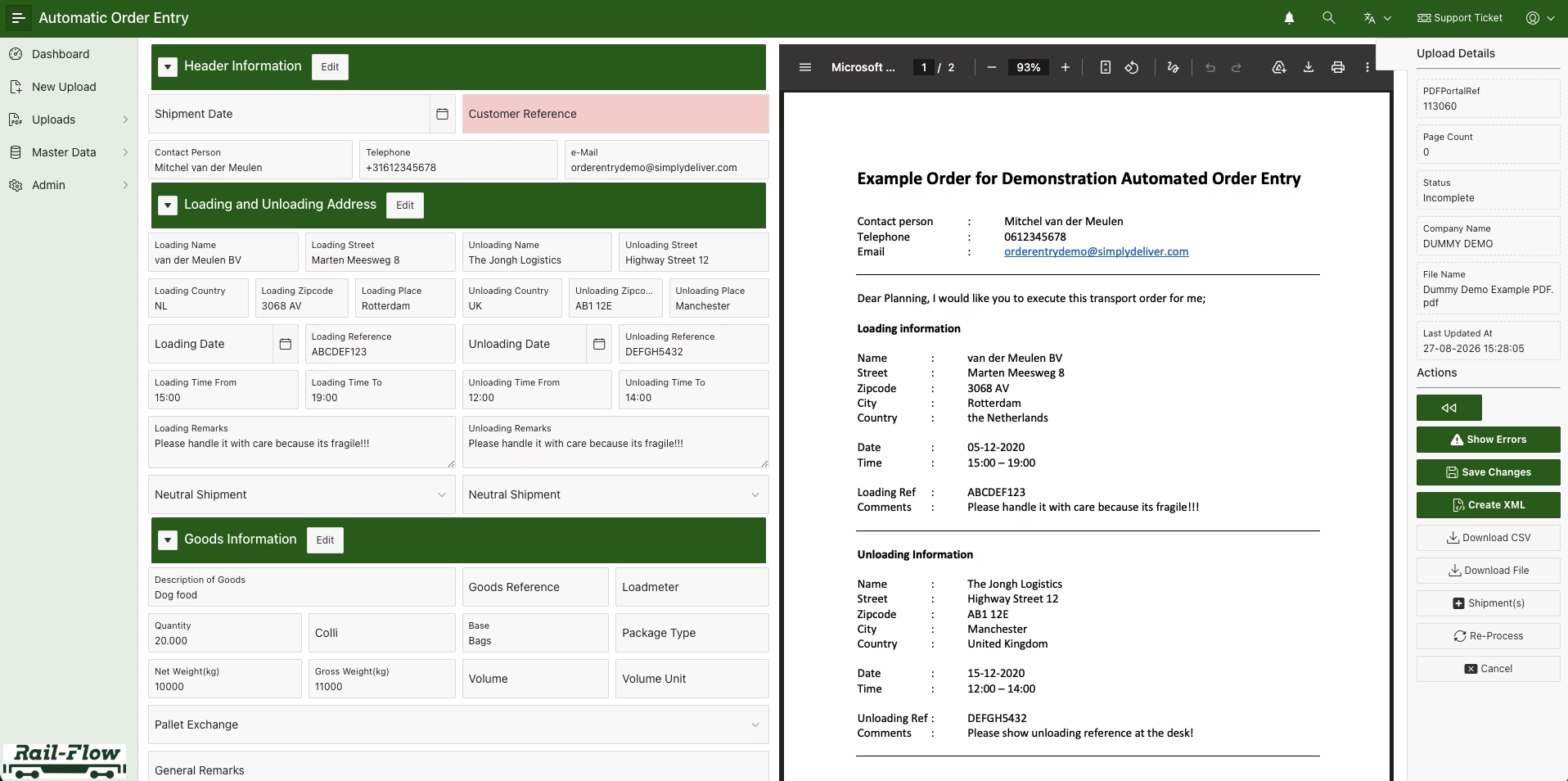
Kundenbestellungen erreichen Sie über die Kanäle, die Ihre Kunden tatsächlich nutzen – Schnittstellen (EDI / REST / API), Kundenportal, Excel-Upload, E-Mail, PDF oder Word. Der KI-Dokumentenprozessor liest unstrukturierte Dokumente wie Rechnungen, Preislisten, Aufträge und Wagenlisten in mehreren Sprachen und wandelt sie in strukturierte, validierungsbereite Bestellungen um. Vertragsbasierte Vorlagen verarbeiten wiederkehrende Lieferungen dabei vollautomatisch.

Jeder Auftrag. Jede Regel. Vor der Disposition.
Validierung für jeden Auftrag
Jeder Auftrag durchläuft drei Validierungsebenen: kaufmännisch (Vertragsabgleich, Preisgestaltung, zahlungspflichtige Partei), transporttechnisch (Ausrüstungseignung, NHM-Codes, Gefahrgut gemäß RID) und Prüfung auf Datenvollständigkeit (Pflichtfelder, Container-Nummernprüfung, Zollkennzeichen). Für den intermodalen Verkehr sind Dakosy-konforme Gefahrgutprüfungen und die PIN-Code-Generierung integriert. Eine automatische Dublettenprüfung verhindert Doppelbuchungen bereits vor der Disposition. Fehler werden direkt bei der Erfassung erkannt, nicht erst während des Transports.
Mehrdimensionale Validierung jeder Bestellung
Jede Bestellung durchläuft eine mehrdimensionale Validierung, bevor sie weiterbearbeitet wird. Dabei erfolgt bei der Eingabe eine Prüfung in drei Dimensionen: kommerziell, transportbezogen und hinsichtlich der Datenvollständigkeit. Probleme werden also sofort bei der Eingabe ins System erkannt und nicht erst später bei der Abfertigung.
Buchungssicherheit per PIN-Code
Im Rahmen der Prüfungen, die für jede Bestellung durchgeführt werden, generiert das System eine eindeutige PIN für jede Buchung. Sie dient als Sicherheitsschlüssel, der die Buchung an eine autorisierte Abholung bindet, sodass eine Einheit nicht einfach von irgendjemandem abgeholt werden kann.
Vermeidung von Doppelbuchungen
Die Dublettenprüfung ist fester Bestandteil der Buchungsvalidierung. Sie erkennt Mehrfachbuchungen, bevor der Auftrag in die Disposition gelangt. So gilt konsequent: Fehler werden bei der Erfassung abgefangen, nicht erst auf der Schiene.
_converted.avif)
Eine Buchung. Alle Abschnitte. Jeder Frachtführer.
Automatische Aufteilung und Disposition über alle Verkehrsträger hinweg
Kundenaufträge werden automatisch in operative Aufträge unterteilt: nach Abschnitt, Frachtführer und Verkehrsträger. Eine Door-to-Door-Buchung übermittelt den Schienenabschnitt an das EVU, das Terminal-Slot an den Terminalbetreiber, Vor- und Nachlauf an den Lkw-Spediteur und den Fährplatz an den Short-Sea-Operator – jeweils im richtigen Format, über den richtigen Kanal und direkt in das Partnersystem. Die Vorkalkulation erfolgt zeitgleich, sodass Kosten und Erlöse pro Abschnitt bereits vor der Auftragsbestätigung ersichtlich sind.

AOP LIVE ERLEBEN
Bringen Sie Ihren komplexesten Bestellkanal mit. Wir zeigen Ihnen, wie AOP ihn bewältigt.
Erhalten Sie eine persönliche Führung, wie AOP Ihren tatsächlichen Buchungsmix über die von Ihnen bereits genutzten Kanäle und Partner hinweg erfasst, validiert und weiterleitet.
Häufig gestellte Fragen
Häufige Fragen zur automatisierten Auftragsabwicklung.
Haben Sie eine Frage, die hier nicht beantwortet wird? Melden Sie sich bei uns, wir antworten innerhalb eines Werktages.

Kundenportal, EDI-/REST-/API-Schnittstelle, Excel-Vorlagen-Upload, E-Mail, PDF und Word. Der AI Document Processor verarbeitet unstrukturierte Dokumente wie Aufträge, Rechnungen, Preislisten und Wagenlisten in mehreren Sprachen. Weitere Kanäle lassen sich über das standardmäßige Integrations-Framework ergänzen.
Drei Ebenen: kommerziell (Vertragszuordnung, zahlende Partei, Preisgestaltung), transportbezogen (Eignung des Equipments, NHM, Gefahrgut gemäß RID, Containernummer, Zollkennzeichen) und Datenvollständigkeit. Für den intermodalen Verkehr sind Gefahrgutprüfungen nach Dakosy-Standard und die PIN-Code-Erzeugung integriert. Die Doppelbuchungsprüfung erkennt Duplikate bereits bei der Erfassung.
Jede Extraktion erhält einen Konfidenzwert. Sie legen den Schwellenwert für die automatische Verarbeitung gegenüber der manuellen Prüfung fest. Dokumente unterhalb des Schwellenwerts gelangen in einen Freigabe-Workflow mit vorausgefüllten Extraktionsfeldern, sodass Ihr Team in Sekunden statt in Minuten bestätigt oder korrigiert.
Ja. Ein kommerzieller Haus-zu-Haus-Auftrag wird in operative Aufträge je Streckenabschnitt, je Frachtführer und je Verkehrsträger aufgeteilt: die Schiene an das Eisenbahnverkehrsunternehmen, der Terminal-Slot an den Terminalbetreiber, Vor- und Nachlauf an das Lkw-Unternehmen und der Fährslot an den Kurzstreckenseeverkehr-Betreiber. Jeder Auftrag landet im richtigen Partnersystem und im richtigen Format.
AOP ist der Einstiegspunkt in das TMS und ITMS. Geprüfte Aufträge fließen automatisch in Planning, Dispatch, Track & Trace und Invoicing. Dieselbe Erfassung speist ROM (vom Angebot zum Vertrag) und Fleet Management (Wagenbereitstellungsaufträge), ohne dass Daten erneut eingegeben werden müssen.
VERWANDTE MODULE
Was sich vor und nach AOP abspielt.
Die Auftragseingabe ist ein Schritt in der Order-to-Cash-Kette. Diese sind nativ mit AOP verbunden.
Echtzeit-Sendungsverfolgung
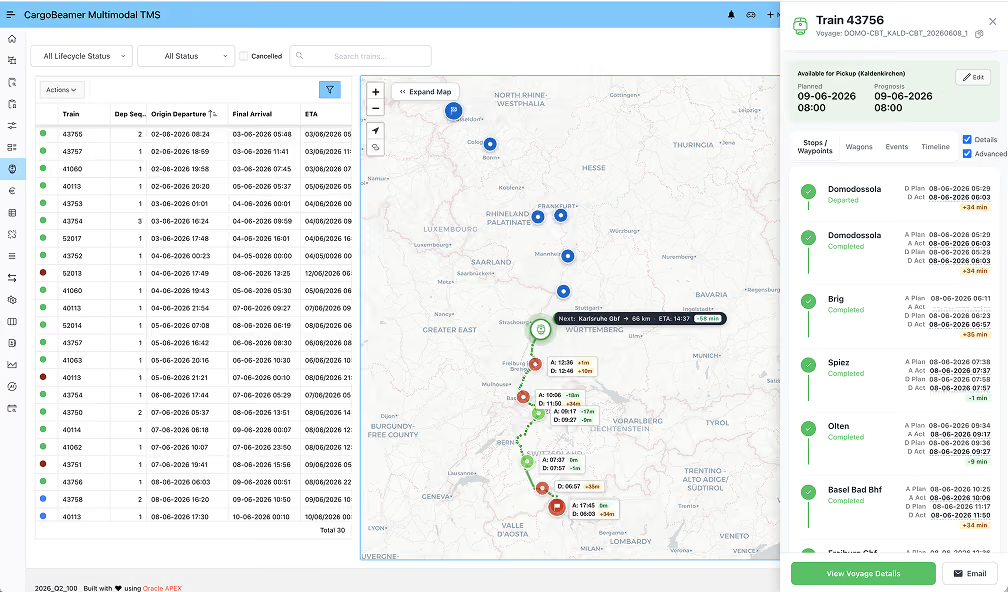
Live-ETD/ETA, proaktive Abweichungsmeldungen und Transparenz für Kunden – gespeist aus denselben Auftragsdaten, die AOP erstellt.
Abrechnung & kaufmännischer Abschluss
Jeder Transport wird auf Basis der tatsächlich erbrachten Leistung abgeschlossen. Die Vorkalkulation von AOP und validierte Vertragsdaten fließen direkt in die Rechnungsstellung ein.
Vollständiges TMS
AOP ist eine Funktion des Transport Management Systems. Planen, disponieren, Abweichungen verwalten und abrechnen – alles auf einer Plattform.